
Design for production
Wall thickness, draft angles, parting lines and gating affect quality and tooling costs. We agree these details before tooling approval.
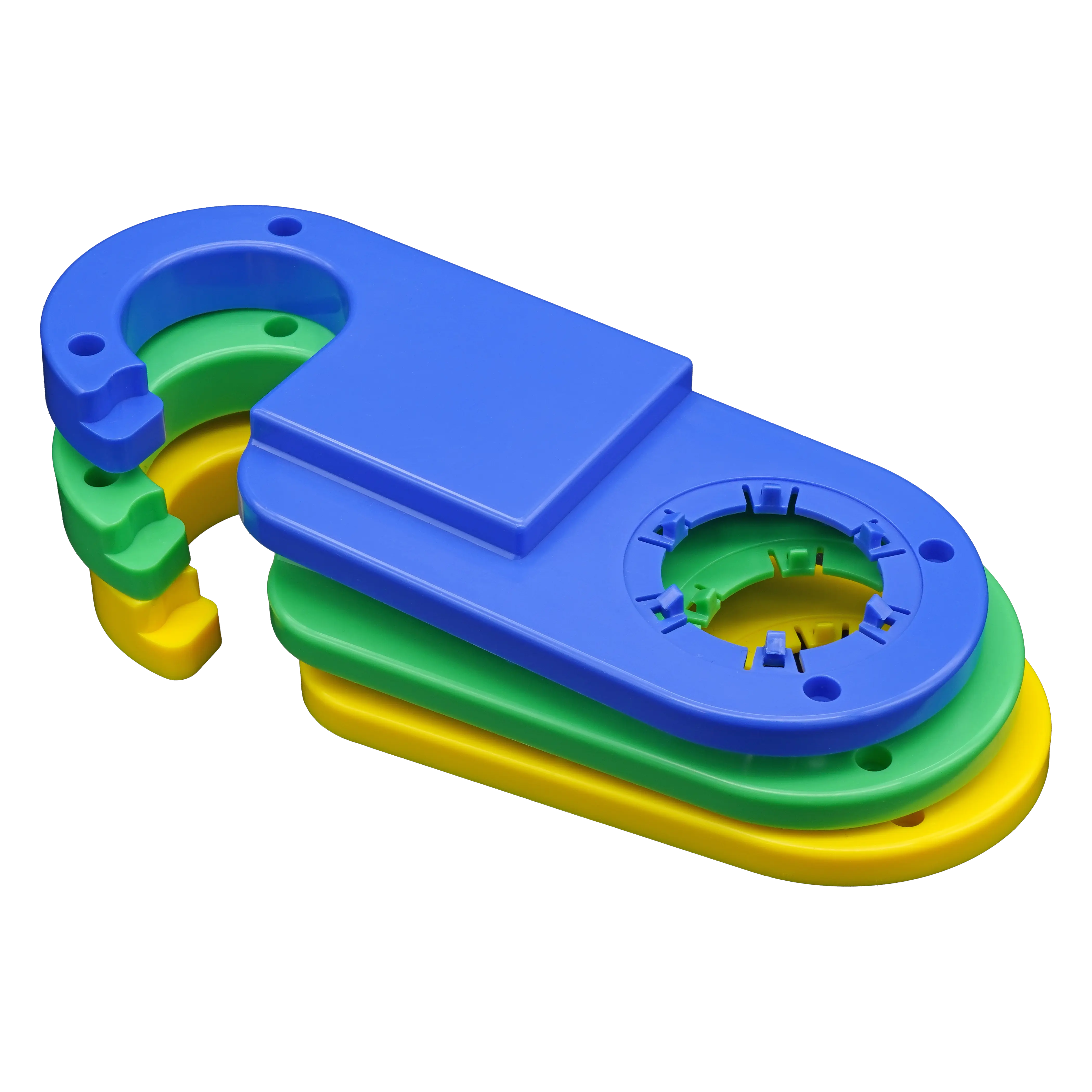
Tool-based plastic manufacturing – from rapid tooling and pre-series to repeat production.
Discuss your project ↗Wall thickness, draft angles, parting lines and gating affect quality and tooling costs. We agree these details before tooling approval.
The tooling strategy depends on material, geometry, target quantity and planned production life. Sampling and approval establish an agreed production basis.
Die casting, stamping and thermoforming are further options for suitable projects. We assess the right process for your part and its cost-effective production.
From the application to the right process.
Compare materials by technology and select them together.
These options depend on the material and part specifications.
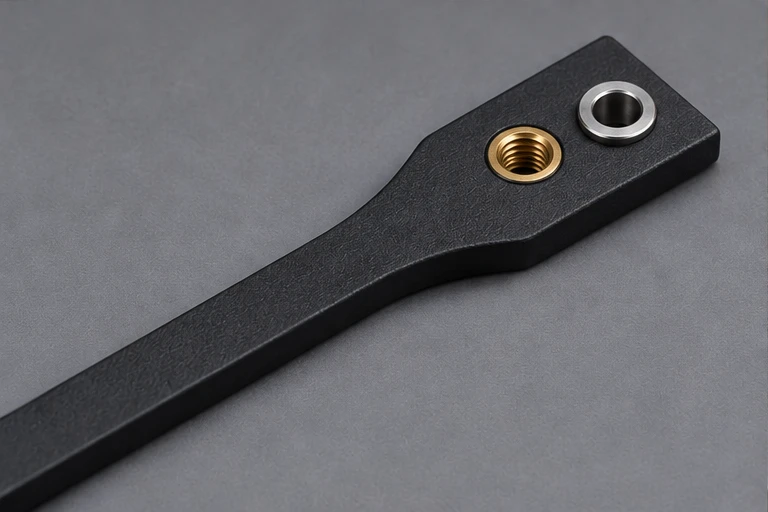 Fits, threads & insertsDetails ↗
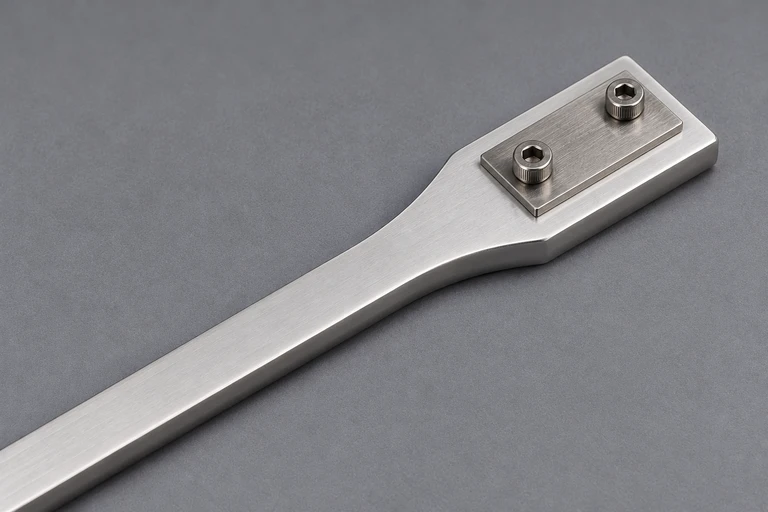 Assembly & joiningDetails ↗
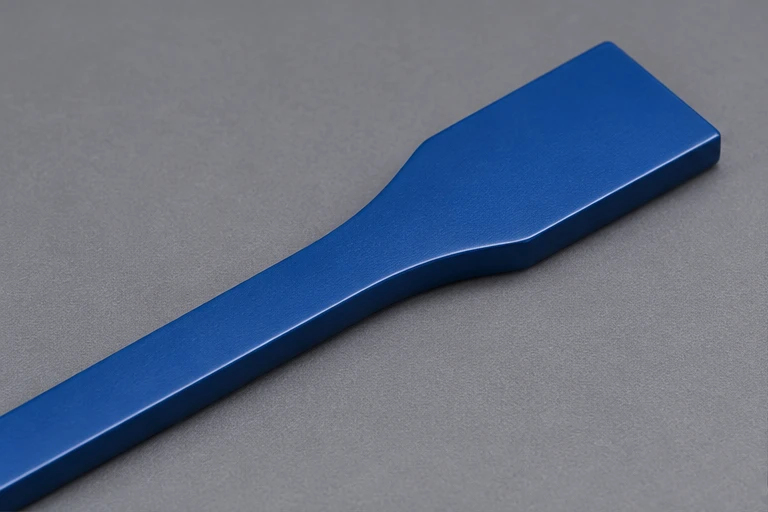 PaintingDetails ↗
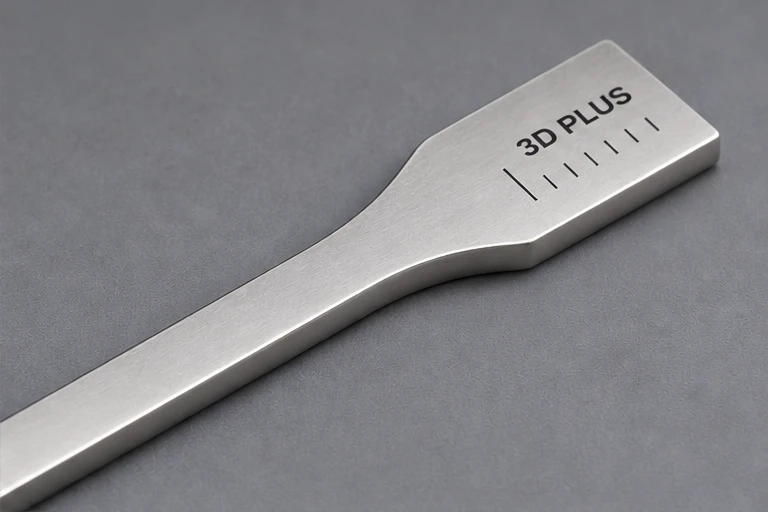 Printing & markingDetails ↗
We confirm suitability based on the material, geometry and requirements.
| Project phase | Result |
|---|---|
| Manufacturing analysis | Agreed wall thickness, draft, parting and gating |
| Tooling strategy | Rapid tooling or production tooling to suit needs and production life |
| Sampling | Sample parts for inspection and approval |
| Series production | Production with approved material and data revision |
| Post-processing | Marking, assembly or additional finish as agreed |
Tooling effort, batch size and repeat demand determine cost-effectiveness. Material and inspection requirements are defined before tooling approval.
CAD data, target material, annual demand and expected batch sizes. Visible surfaces, fits and inspection details help with tooling design.
There is no universal minimum. Tooling cost, geometry, material, annual demand and production life determine the economic choice.
Yes. 3D printing, CNC or vacuum casting can help assess geometry and function before tooling approval.
A short description is enough to start the conversation.