From master model to small batch
A master model forms the basis of a silicone mould. Several castings can be made without costly production tooling.
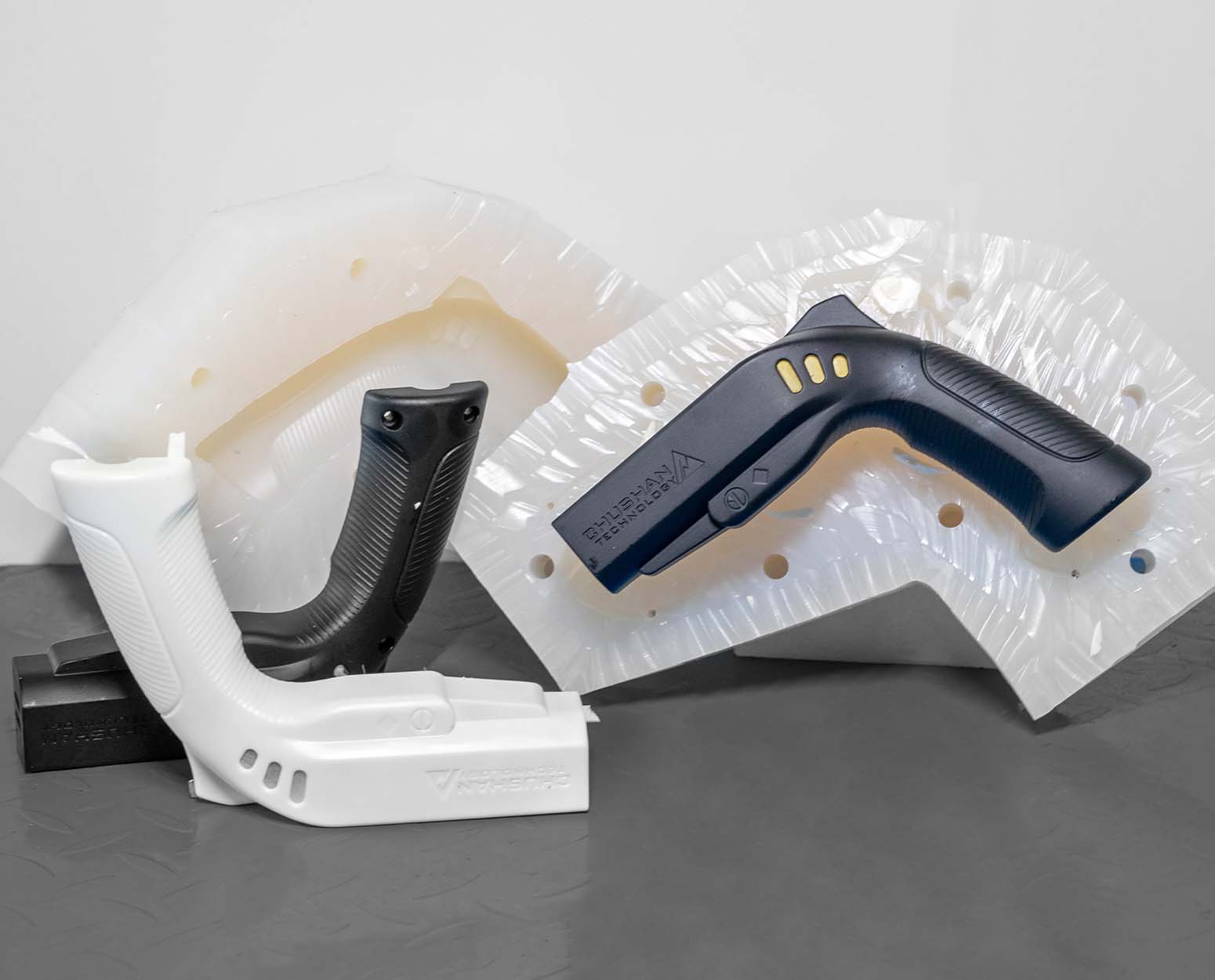
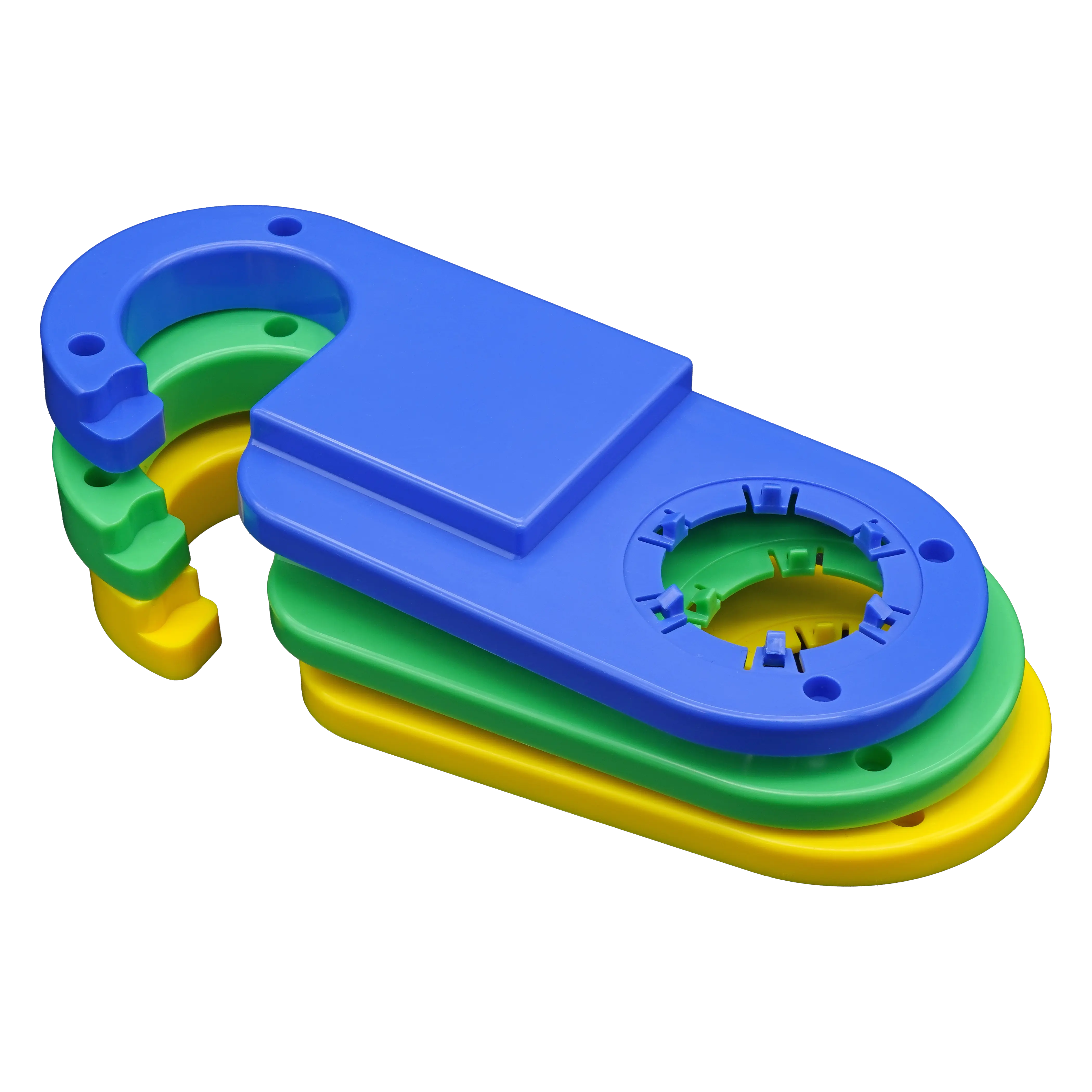
Plastic parts for pre-series, presentations and functional tests, with coordinated colour, feel and surface.
Discuss your project ↗A master model forms the basis of a silicone mould. Several castings can be made without costly production tooling.
Polyurethane casting resins can reproduce selected properties of engineering plastics. They are not identical to the later injection-moulded material; we match suitability to your test objective.
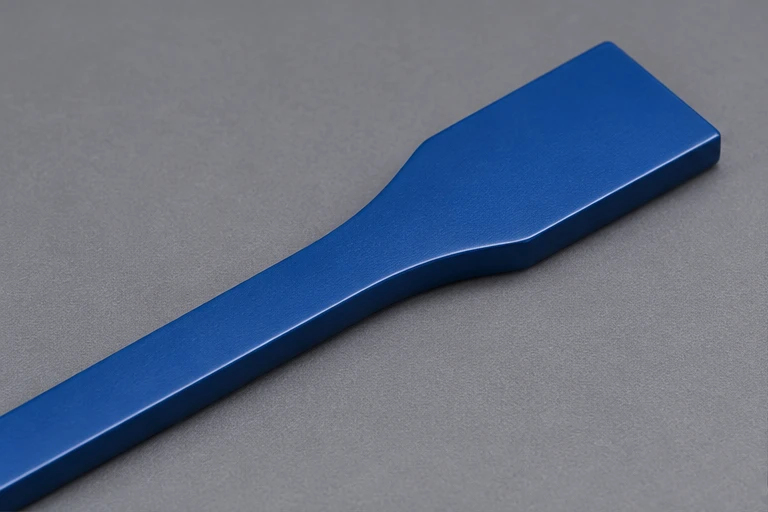
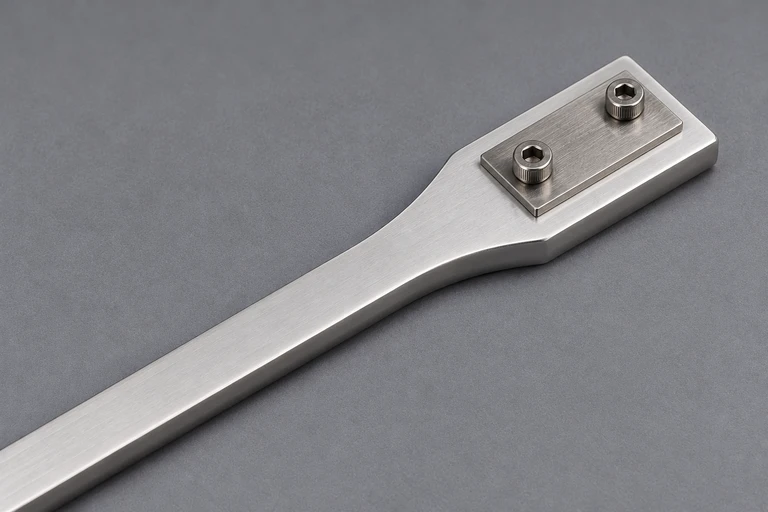
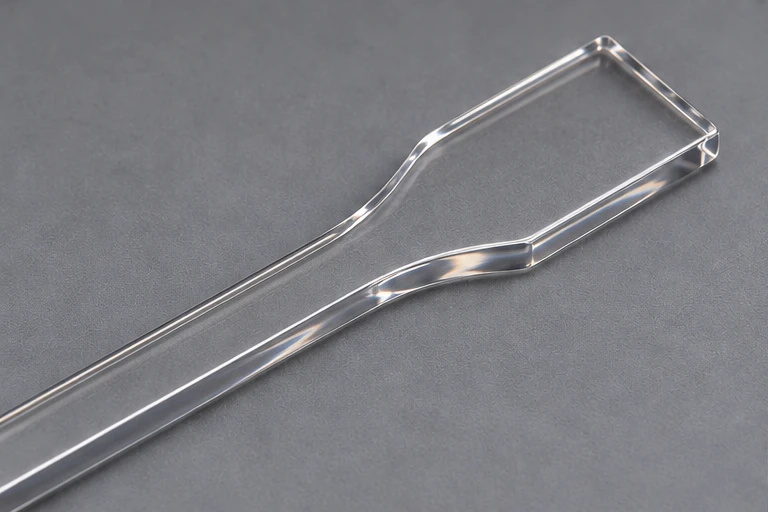
Depending on material, coloured, transparent or flexible versions are possible. Inserts and desired surface quality are agreed before production.
From the application to the right process.
Compare materials by technology and select them together.
These options depend on the material and part specifications.
We confirm suitability based on the material, geometry and requirements.
| Project characteristic | What we agree |
|---|---|
| Starting model | Master model from 3D printing or machining |
| Mould | Silicone mould to suit geometry |
| Material | Polyurethane casting resin with defined target properties |
| Specifications | Colour, transparency, flexible areas or inserts where suitable |
| Quantity | Small batches and pre-series; mould life and unit price depend on the project |
Casting resins can approximate production plastic properties. Functional tests must use the actual material values.
3D data, target quantity, desired properties and colour specification. The economical number of moulds depends on geometry, resin and quantity.
Especially when several production-like samples are needed but an injection mould is not yet economical. Geometry, quantity and test requirements are decisive.
Not automatically. Casting resins reproduce selected properties. We clarify which properties your tests actually require.
A short description is enough to start the conversation.