
Cutting & forming
Laser cutting, tube laser cutting, waterjet cutting, punching and bending. Process and thickness are selected to suit contours, edges and function.
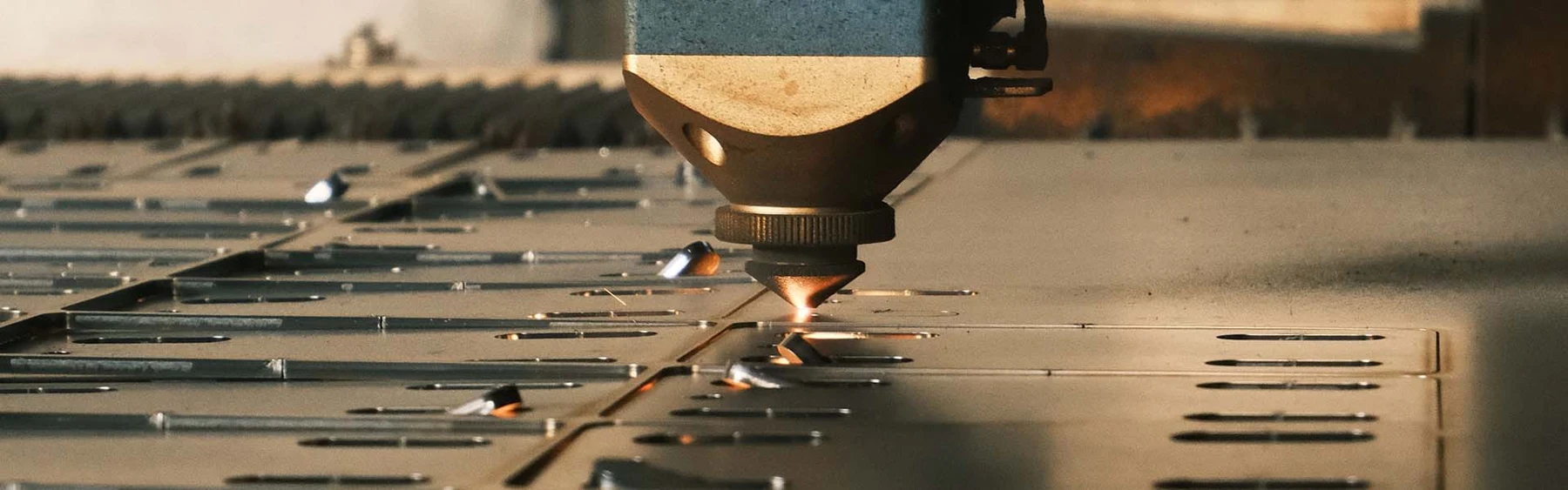
Cutting, bending and joining for enclosures, brackets, covers and custom sheet metal structures.
Discuss your project ↗Laser cutting, tube laser cutting, waterjet cutting, punching and bending. Process and thickness are selected to suit contours, edges and function.
Welding and press-in fasteners complement machining. Threads, mounting points and assemblies are considered during planning.
Steel, stainless steel, aluminium, brass and copper for technical and design applications. Powder coating and other finishes protect the part and create the desired appearance.
Precise sheet metal blanks with custom contours and cut-outs.
Sheet metal fabricationBrackets, covers and enclosures made from bent sheet metal.
Sheet metal fabricationJoin metal parts into coordinated assemblies.
Sheet metal fabricationContours and plate blanks without the heat-affected zone of thermal cutting.
Sheet metal fabricationContours and joints in metal tubes and profiles.
From the application to the right process.
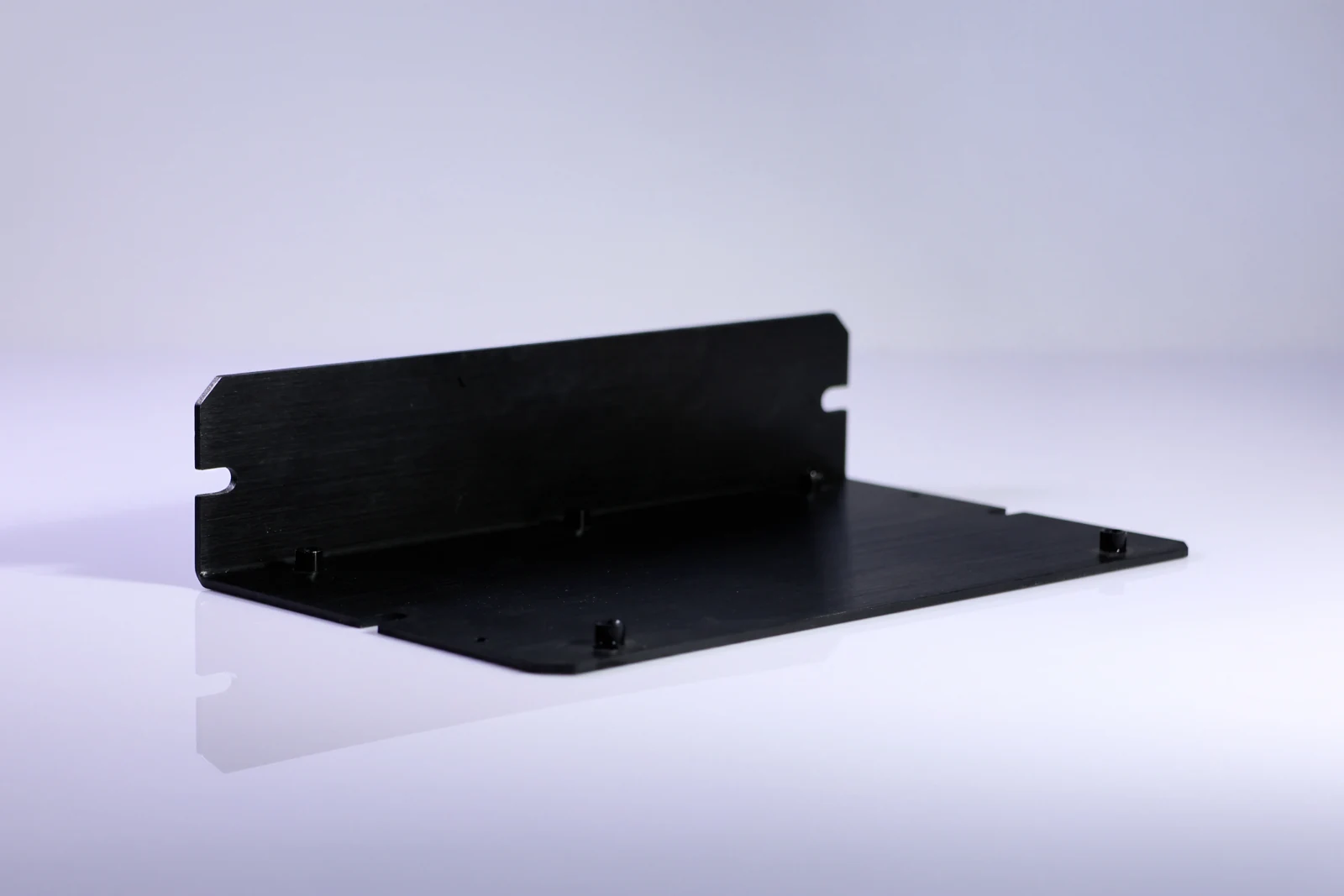
Protect components and integrate interfaces correctly.
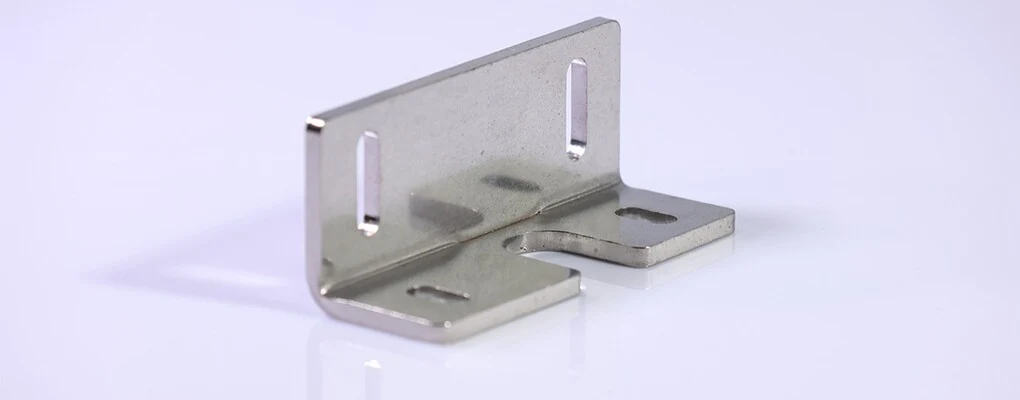
Support workflows with suitable fixtures and aids.
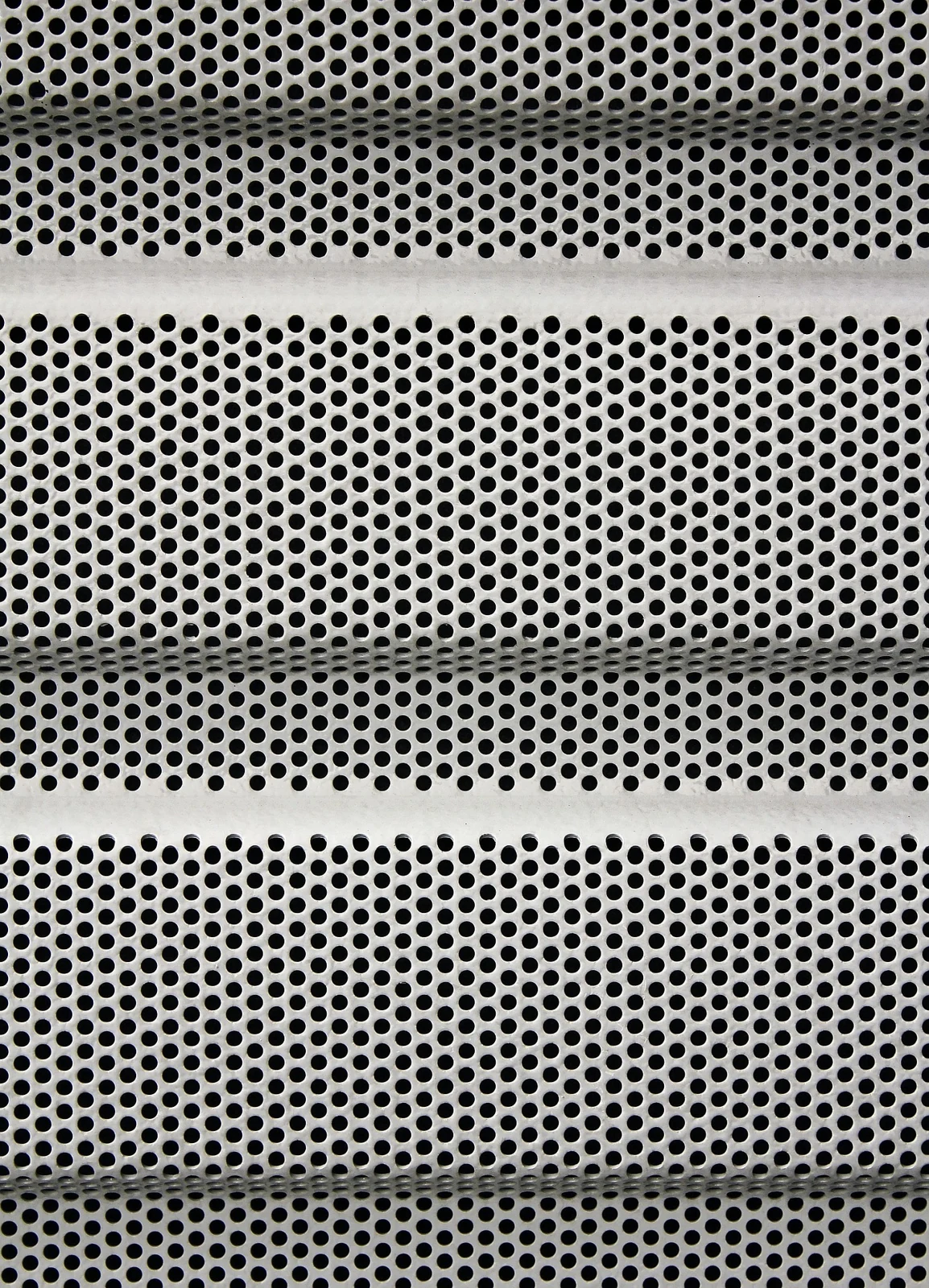
Custom profiles, cut-outs and decorative metal surfaces.
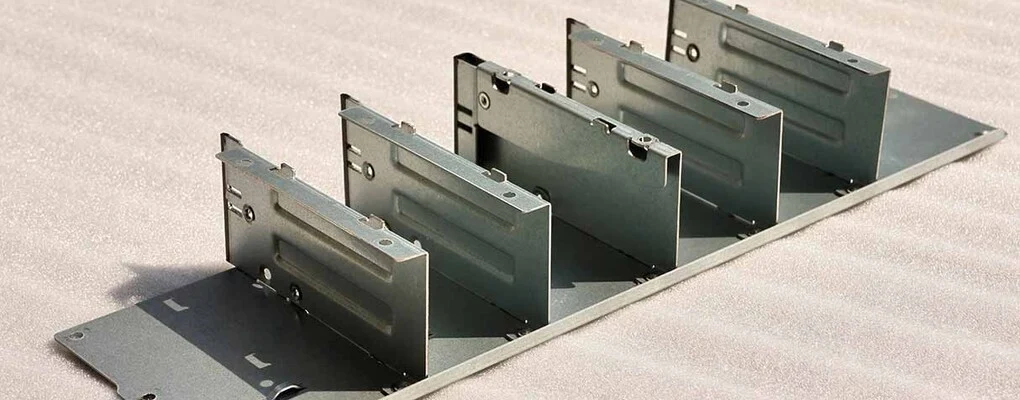
Join metal parts into supporting or protective assemblies.
Compare materials by technology and select them together.
These options depend on the material and part specifications.
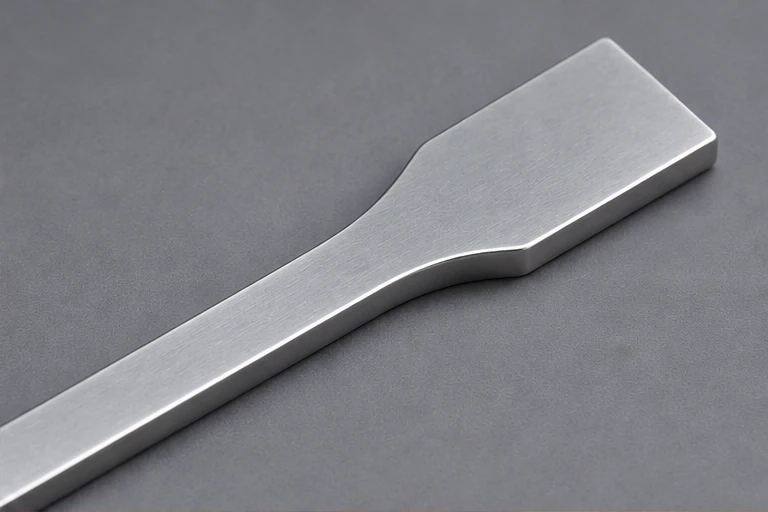 DeburringDetails ↗
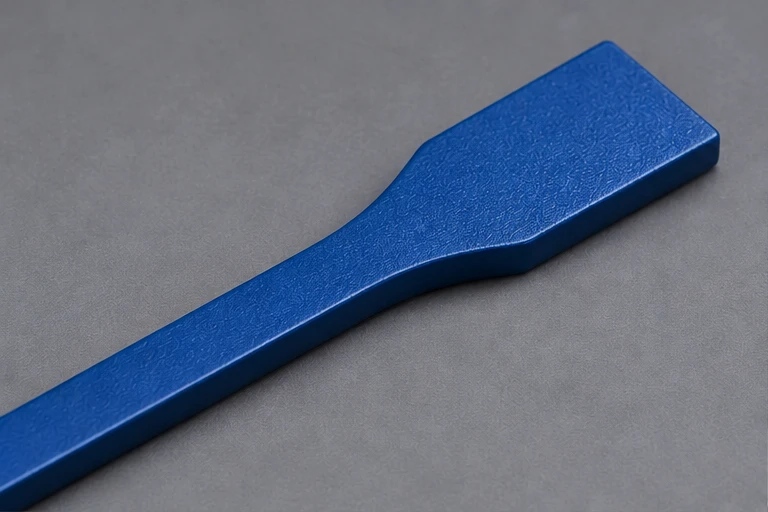 Powder coatingDetails ↗
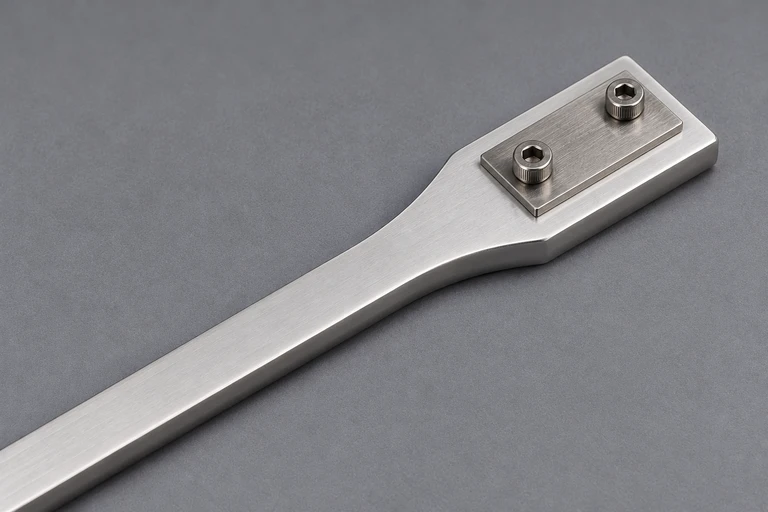 Assembly & joiningDetails ↗
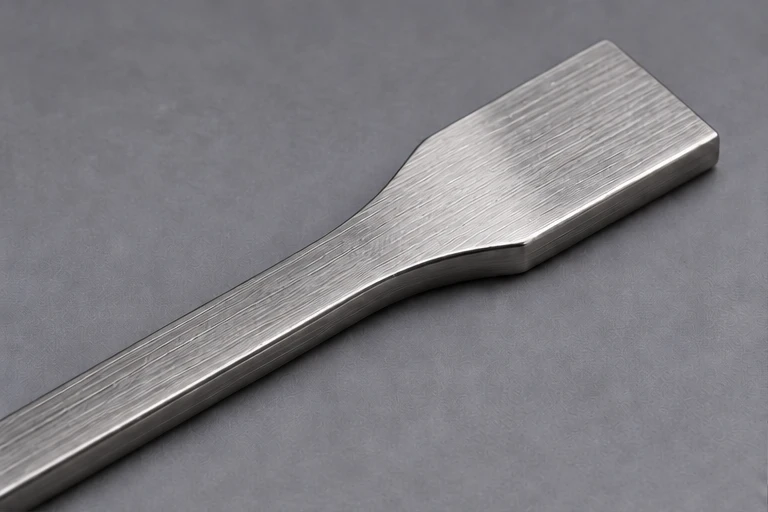 SandingDetails ↗
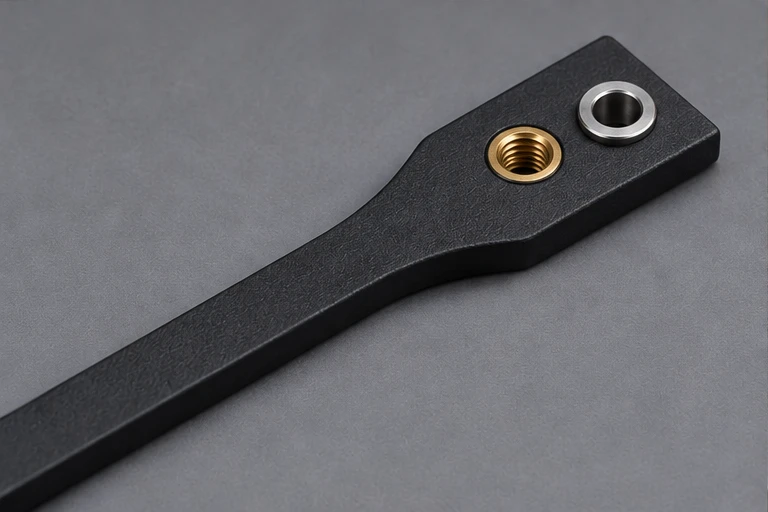 Fits, threads & insertsDetails ↗
We confirm suitability based on the material, geometry and requirements.
| Process | Capabilities | Working range¹ |
|---|---|---|
| Laser cutting | Contours & cut-outs in metal sheets | Sheet size up to 3’000 × 1’500 mm |
| Press brake bending | Enclosures, profiles & brackets | Bending length up to 4’000 mm |
| Tube laser processing | Round, square & rectangular tubes | Typically Ø 20–220 mm |
| Joining | TIG, MIG/MAG, spot welding | Depends on material and geometry |
| Assembly preparation | Press-in nuts, studs, threads | To drawing |
¹ Selected capabilities in our manufacturing network. Sheet thickness, bending length, radius and material are assessed together; maximum values cannot be combined arbitrarily.
STEP or DXF, drawings, sheet thickness and quantity. State bend radii, visible surfaces and weld requirements where already defined.
Both help. For bent parts, a 3D model and drawing are especially useful. Thickness, bend radii and visible sides should be clear.
Welding, fasteners and post-processing can be included. Assembly scope and inspection characteristics are recorded in the quotation.
A short description is enough to start the conversation.