
Digitise objects
Parts, sculptures and existing objects are captured to suit the task. Size, surface and required accuracy determine the capture method.
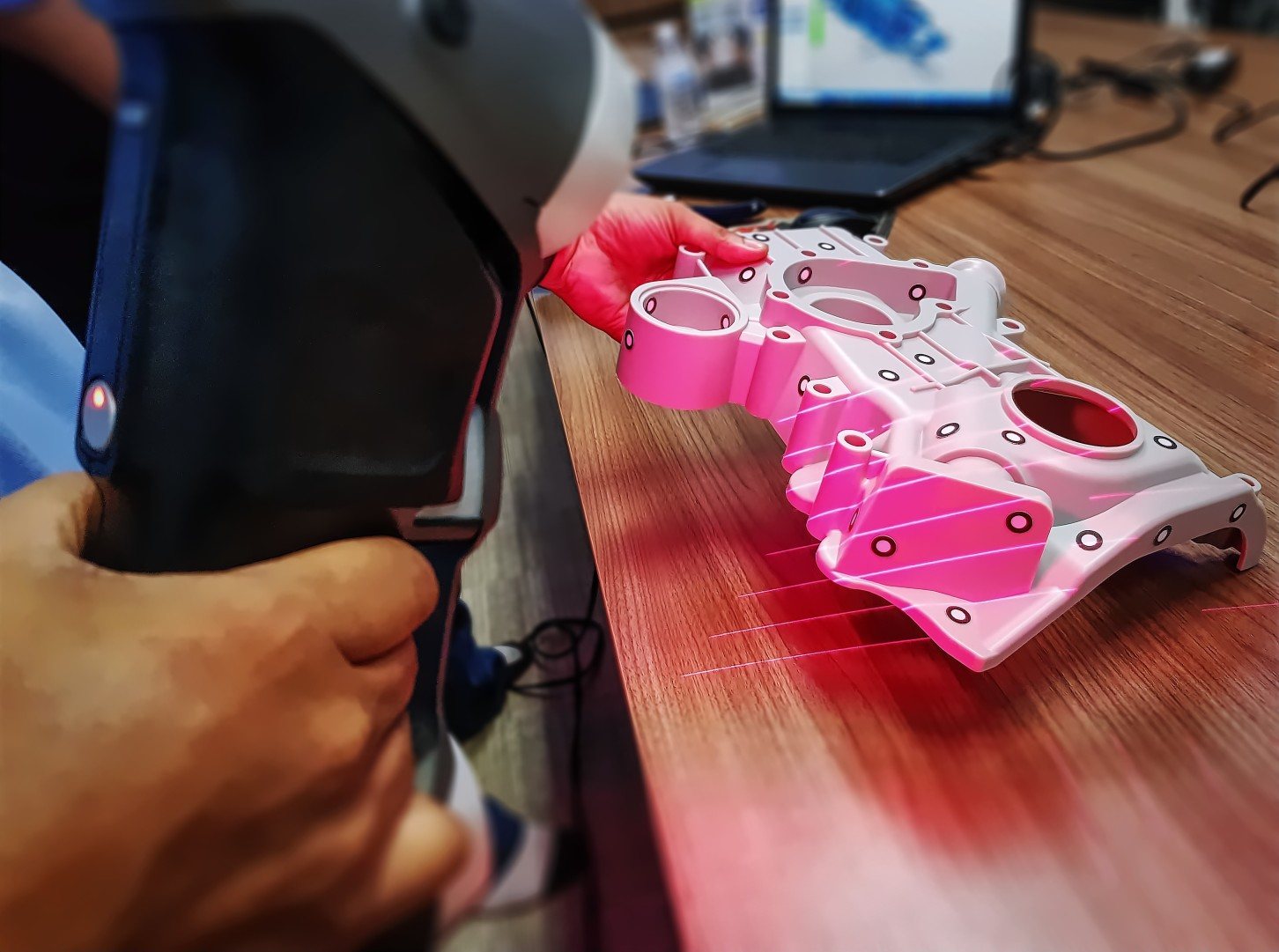
Capture existing objects and prepare geometries for reproduction, adaptation or design.
Discuss your project ↗Parts, sculptures and existing objects are captured to suit the task. Size, surface and required accuracy determine the capture method.
A scan is not yet a parametric CAD model. On request, we reconstruct relevant surfaces and geometries to create editable design data from the captured object.
Laser scanning, point clouds and photogrammetry complement object capture. On-site and aerial surveys are agreed for each project.
From the application to the right process.
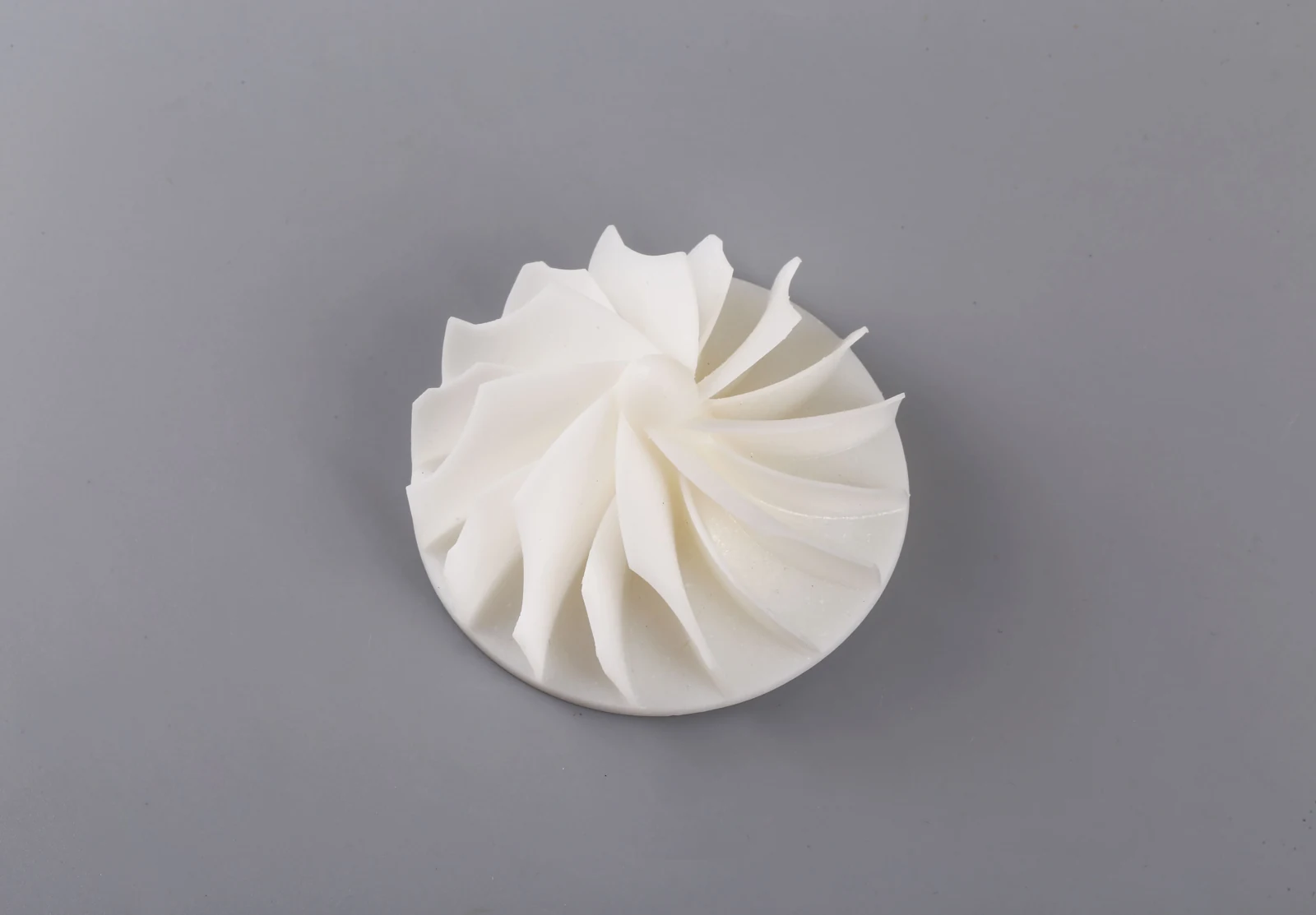
Assess geometry, installation and function before series production.
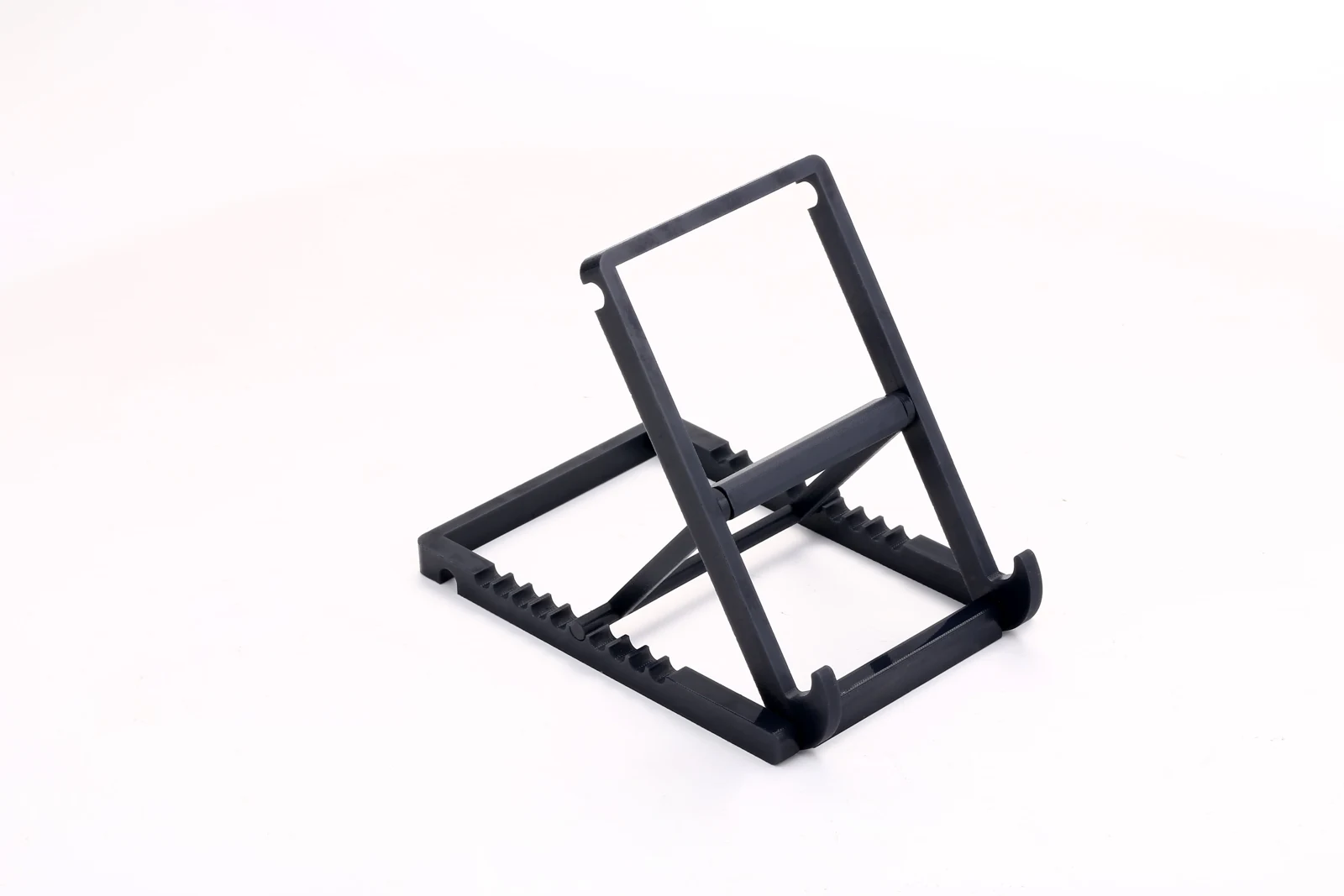
Support workflows with suitable fixtures and aids.
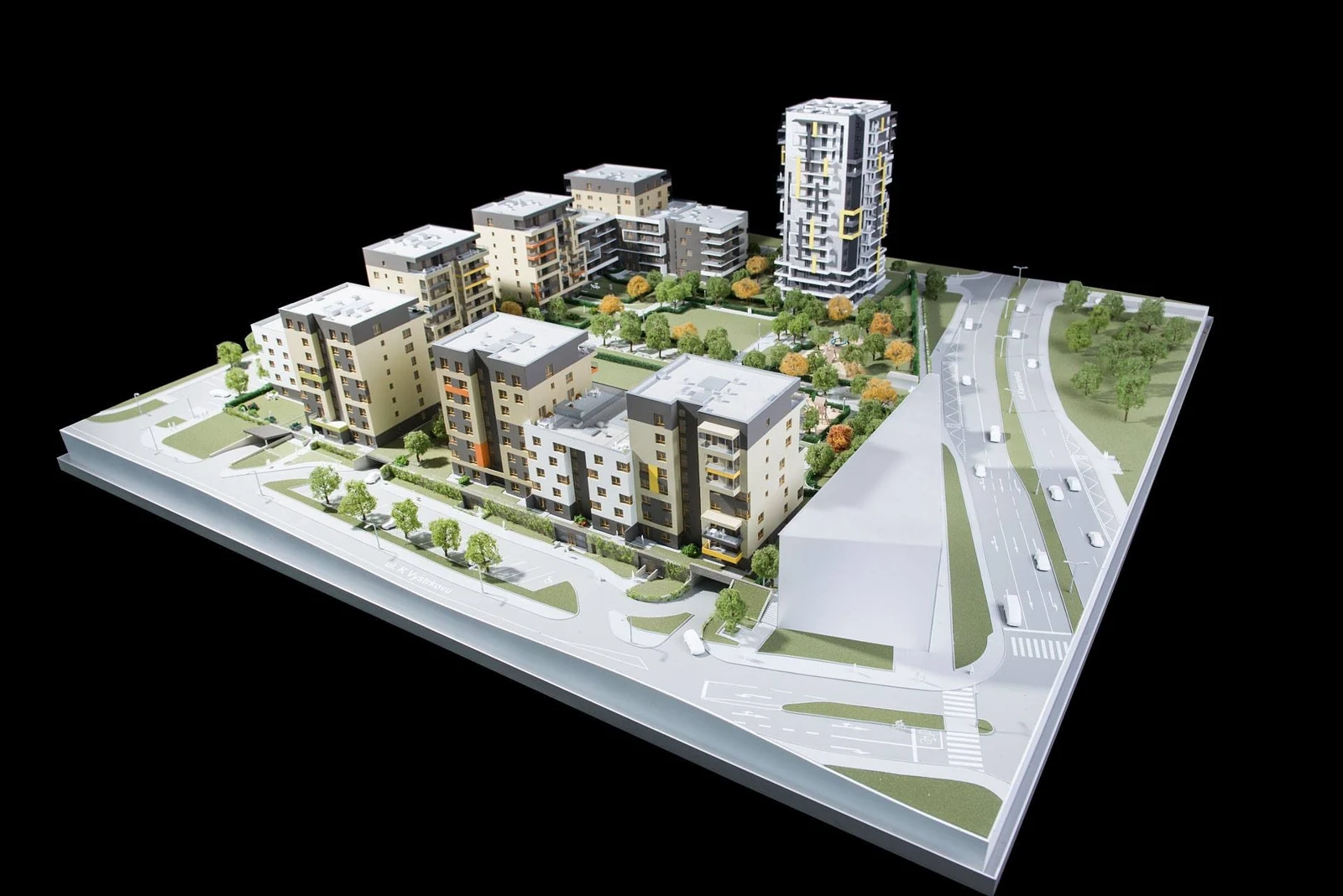
Large models, installations and segmented objects.
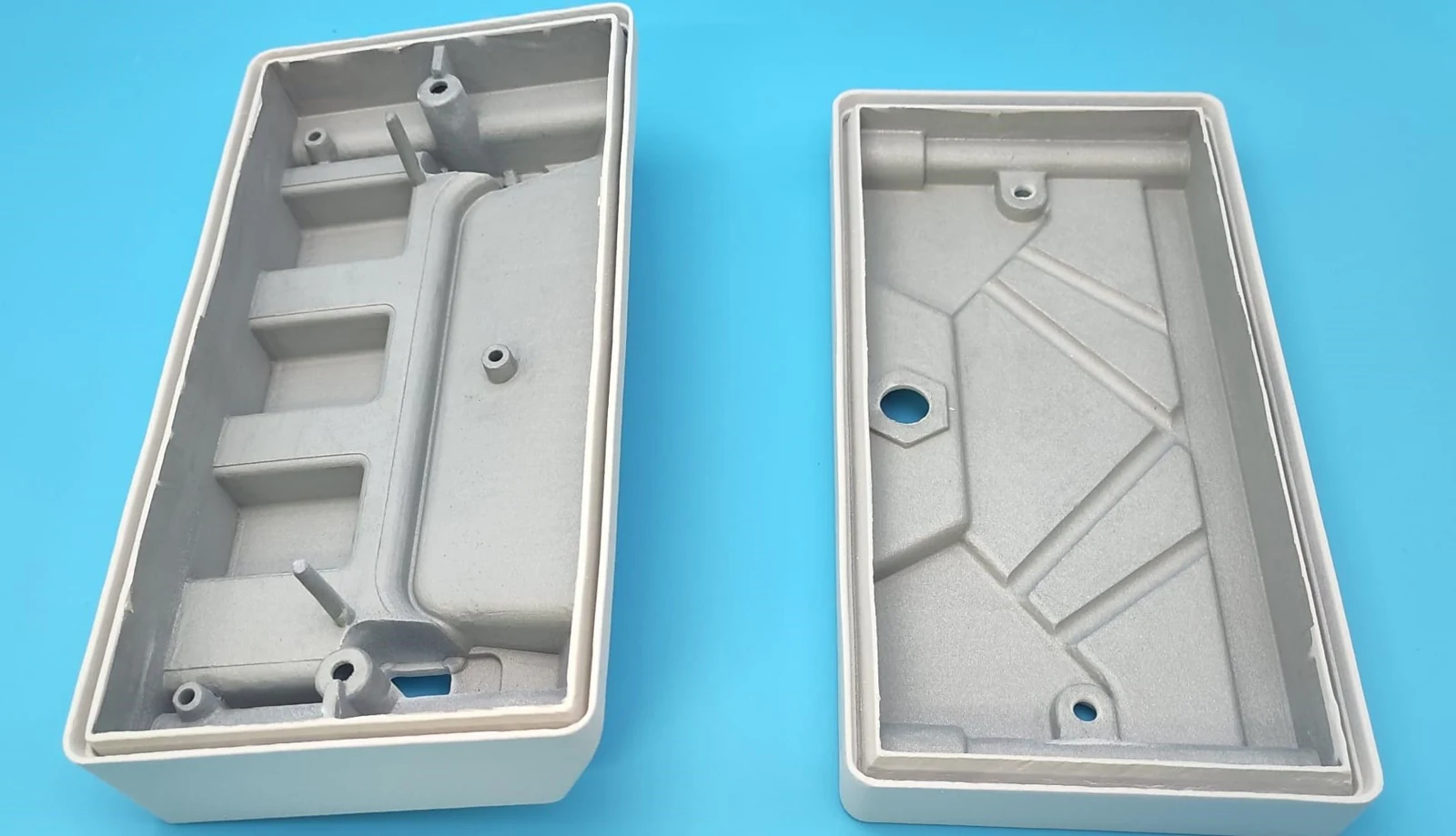
Protect components and integrate interfaces correctly.
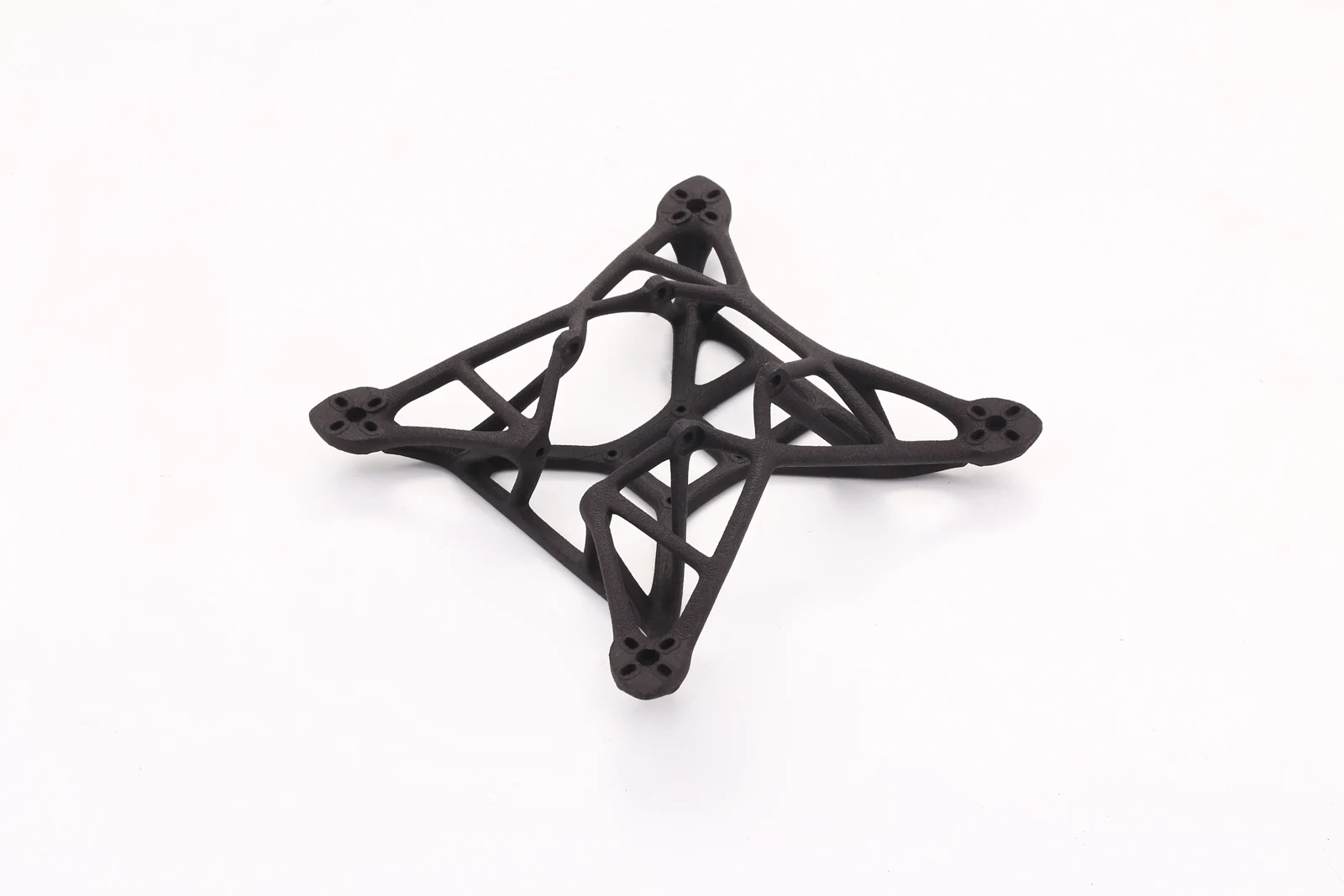
Reduce weight and combine multiple functions in one part.
Compare materials by technology and select them together.
These options depend on the material and part specifications.
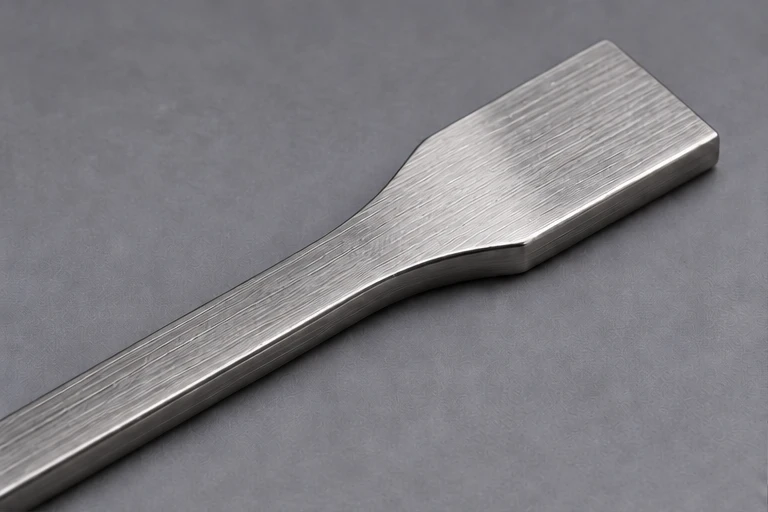 SandingDetails ↗
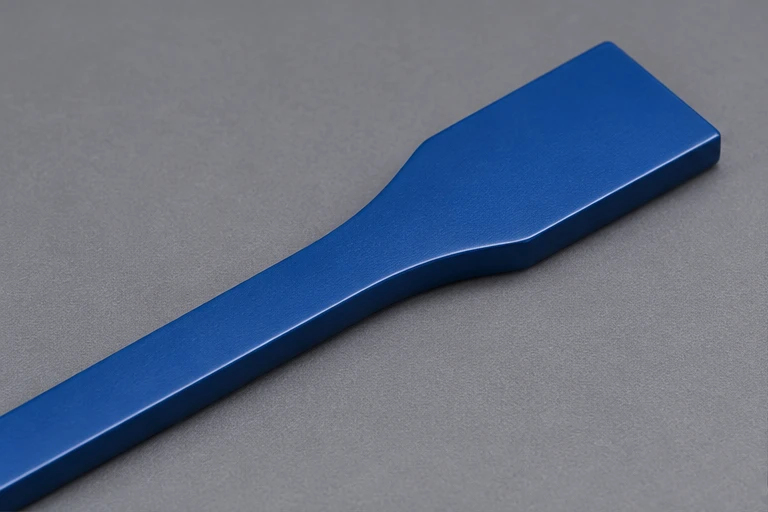 PaintingDetails ↗
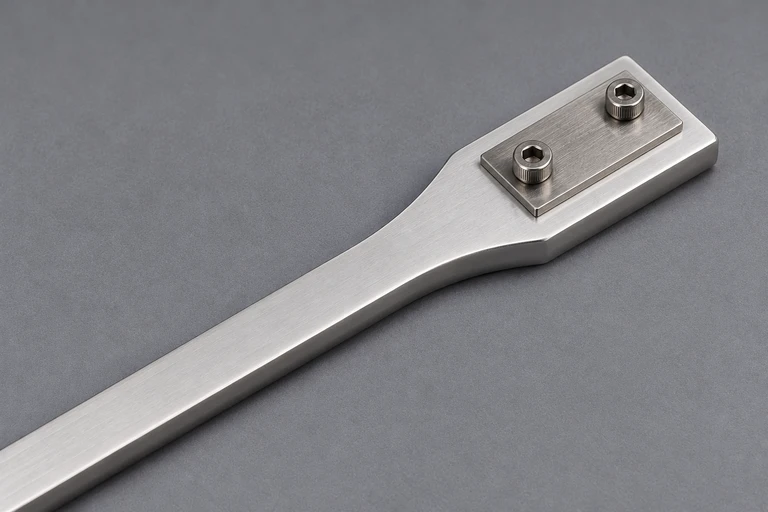 Assembly & joiningDetails ↗
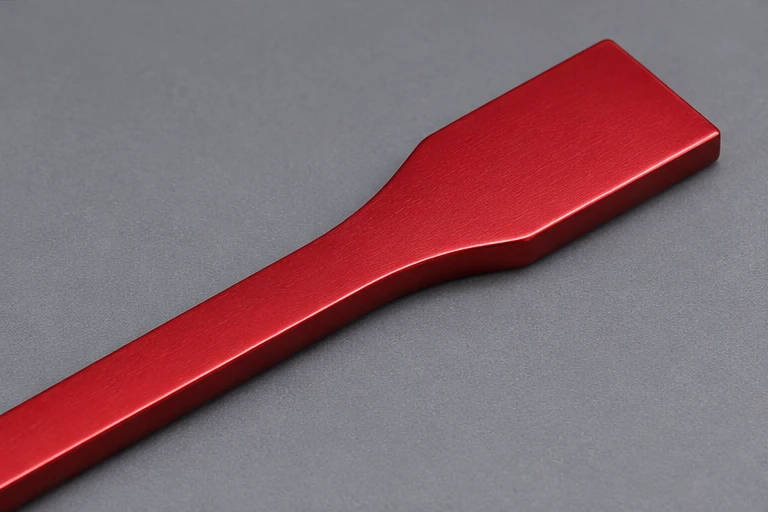 AnodisingDetails ↗
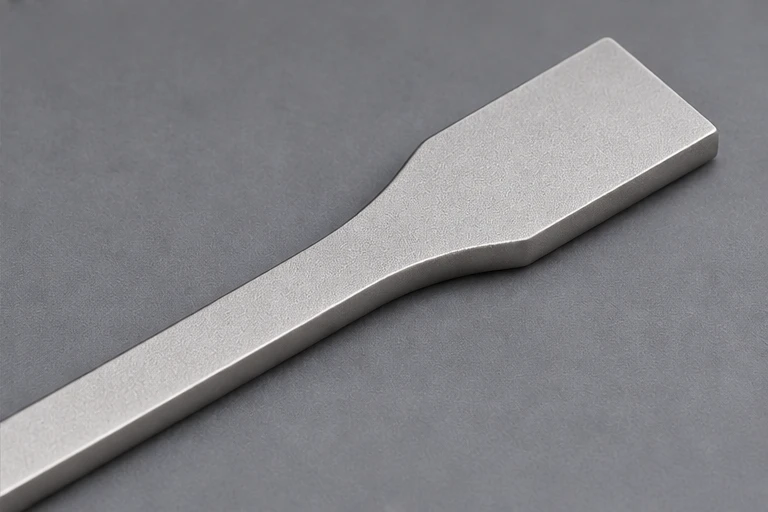 Sand & glass bead blastingDetails ↗
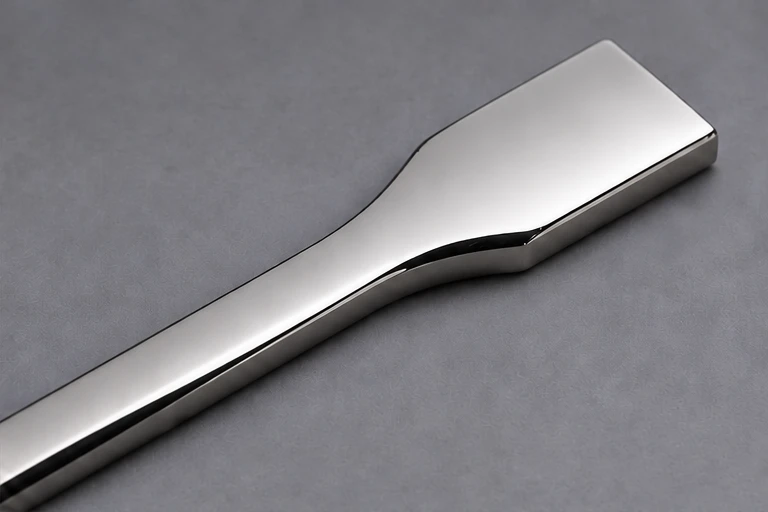 PolishingDetails ↗
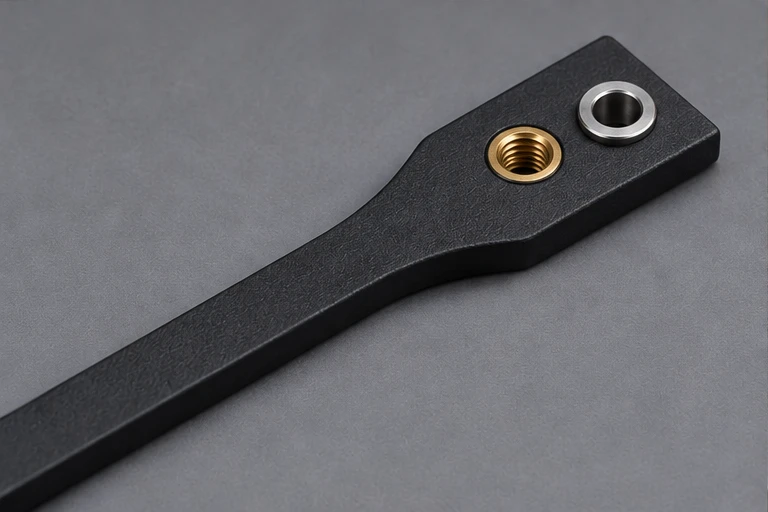 Fits, threads & insertsDetails ↗
We confirm suitability based on the material, geometry and requirements.
| Step | Result | Important to know |
|---|---|---|
| 3D capture | Measurement points or polygon mesh | Surface, size and accessibility affect capture |
| Data preparation | Cleaned and aligned mesh | Hidden areas require additional work |
| Reverse engineering | Reconstructed CAD geometry | Separate operation; not an automatic scan export |
| Further use | Model for reproduction, adaptation or planning | Agree accuracy and formats beforehand |
We choose the capture method based on the object and task. For buildings, facilities and terrain, we agree location and survey scope separately.
Photos, dimensions, object location and desired outcome, such as a printable mesh or an editable CAD model.
A scan initially provides measurement points or a mesh. Parametric CAD geometries require additional reconstruction.
Yes, capture is adapted to size, location and task. Photos and approximate dimensions help with planning.
A short description is enough to start the conversation.